Embracing My Son's Passion for Collecting: From Horse Hairs to Creative Inventions

When I find myself using a lint roller on my Ford Explorer’s carpet, I never expect to be battling horse hairs. Yet, here I am, trying to remove those stubborn strands that cling like no other. This odd situation reminds me of Carl the Collector on PBS. I am lucky enough to have my own Carl the Collector living right in my home.
Who Is Carl the Collector?
Carl the Collector is an animated series that follows the everyday adventures of Carl, a warm-hearted autistic raccoon who enjoys collecting things and loves his friends and family in Fuzzytown. Carl pays extraordinarily close attention to detail and comes up with unique ideas that others might not consider. These traits have helped him amass his extensive collections—from autographs and bottle caps to fake mustaches, pet rocks, sweaters, and virtually everything in between—which can come in handy for solving problems around the neighborhood with his friends.
Why Do Autistic People Like to Collect Things?
Collecting is common among autistic people for several reasons:
Structure and predictability: Collecting provides a routine and order in a world that can feel overwhelming.
Focus and interest: Many autistic individuals develop deep interests in specific topics or objects.
Sensory satisfaction: Some collections offer tactile or visual stimulation that feels comforting.
Expression and communication: Collections can be a way to share passions and stories without words.
My son’s collecting habit fits into these ideas. He loves picking up garbage or junk outside, not just because it’s free, but because he understands it’s bad for the environment. This awareness adds a layer of purpose to his collecting.
Turning Collections Into Creative Inventions
What makes my son’s collecting unique is what he does with the items he finds. Instead of just hoarding, he uses his finds to create inventions. Old wires, broken toys, bits of metal—these become parts of his imaginative projects. Watching him transform discarded objects into something new is inspiring.
Setting Guidelines to Support Healthy Collecting
At first, my son’s collecting felt overwhelming. Our home started filling with random objects, and the horse hairs from his horse therapy grooming combs seemed to multiply. I shared my concerns with his therapist, hoping to find a way to support his passion without letting it take over our space.
Together, we came up with some simple guidelines:
Use a Ziploc-sized bag for collecting: This limits how much he can bring home and keeps small, pesky items like horse hairs contained.
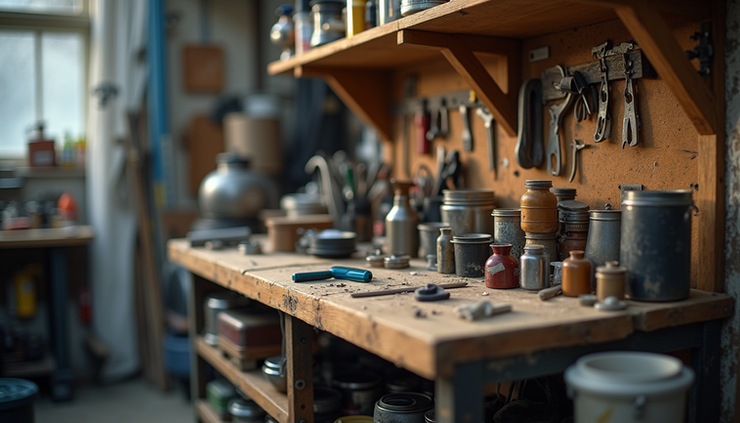
Create a dedicated workspace: I’m building a workbench in our garage where he can keep his finds and work on inventions. This keeps the mess out of the house and gives him a special place to focus.
Encourage thoughtful collecting: We talk about what items are useful or interesting and which might be better left behind.
These steps help balance his need to collect with our need for order. Instead of shutting down his impulses or making him feel ashamed, we work together to find a safer, less annoying way to enjoy his passion.
Why Supporting Collecting Matters
Supporting my son’s collecting habit has brought us closer. It shows him that I respect his interests and want to help him express himself. It also teaches him responsibility and organization. By setting boundaries, he learns how to manage his passion in a way that works for both of us.
Collecting is more than just a quirk. For many autistic individuals, it’s a way to connect with the world, build skills, and find joy. When we embrace these passions instead of fighting them, we open the door to growth and creativity.
Moving Forward With Understanding and Patience
Every day, I see how my son’s collecting sparks his imagination and helps him engage with his environment. The horse hairs on my car carpet are a small price to pay for the happiness and learning that come from his inventions.
If you have a child who loves to collect, consider these tips:
Talk openly about their interests without judgment.
Set clear, simple limits to keep collecting manageable.
Provide a special space for their projects.
Encourage creativity and problem-solving through their collections.
By doing this, you can turn what might seem like a strange habit into a source of pride and growth.
Collecting is part of who my son is, and I’m learning to embrace it fully. It’s a journey of patience, understanding, and lots of lint rolling.
P.S. If you're wondering what his plan was for the horse hairs it was this: leave it in our front yard grass, so birds can come collect the hairs and add it to their nests. We have mowed over with the lawn mower a few times and 3 weeks later there's still remnants hanging on, but every time I see the hairs hanging in the grass, I remember how incredible my child is- a human being who even takes time to think about how to help birds.


Comments